
Color trends drive impulse purchases in footwear, and this season is no exception. Neutral tones such as beige, taupe, and soft gray continue to dominate everyday wear, while bold accents like coral and emerald green are gaining traction in fashion-forward markets. Understanding these color preferences can help wholesale buyers stock the right inventory for their target demographics.
The Psychology of Slipper Colors
Color is often the first thing a consumer notices about a product, and in footwear, it can be the deciding factor between a purchase and a pass. Research in consumer psychology shows that color influences up to 85% of purchase decisions, particularly in fashion and lifestyle products. For slippers, which are both functional and expressive, choosing the right color palette is a strategic decision that impacts sales velocity and inventory turnover.
Top 5 Colors for the Current Season
1. Warm Beige (The Everyday Classic)
Beige remains the undisputed leader in slipper sales across all markets. Its versatility makes it appealing to a wide demographic, and it pairs effortlessly with any loungewear or casual outfit. For wholesale buyers, beige should constitute approximately 30-40% of your inventory mix. At BJ Slippers, our beige EVA formulation uses a proprietary pigment blend that resists yellowing, a common problem with lower-quality beige foams.
2. Soft Pink (The Comfort Seeker)
Pink has evolved from a niche color to a mainstream favorite, particularly in Asian and European markets. The current trend favors muted, dusty pinks over bright shades. Soft pink slippers appeal to consumers aged 18-35 and are frequently purchased as gifts. Consider stocking pink in both adult and children sizes to maximize the gift-purchase segment.
3. Charcoal Gray (The Urban Choice)
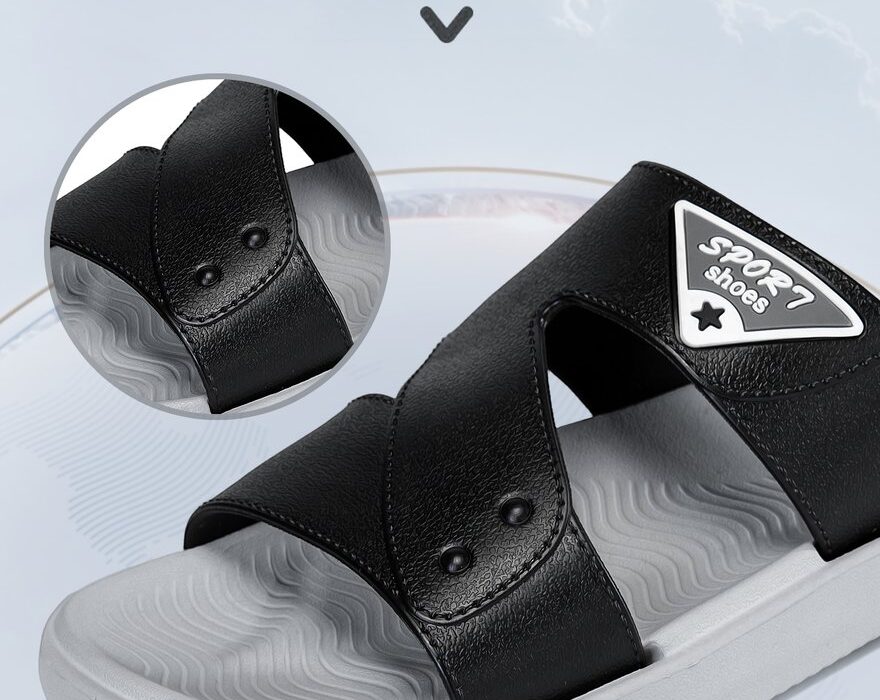
Charcoal gray has emerged as the preferred alternative to black for urban markets. It offers the same versatility as black but with a softer, more contemporary aesthetic. Gray is particularly popular in men's slipper styles and in markets where minimalist design is valued. The color also hides dirt and wear better than lighter shades, extending the perceived product life.
4. Coral (The Statement Maker)
Coral is the breakout color of the season, bridging the gap between bold and wearable. It appeals to fashion-conscious consumers who want their footwear to make a statement without being overwhelming. Coral performs exceptionally well in resort markets, vacation destinations, and spring/summer collections. For wholesale buyers, coral should be stocked in smaller quantities (10-15% of inventory) as a trend-driven accent color.
5. Emerald Green (The Premium Signal)
Emerald green conveys luxury and exclusivity, making it an excellent choice for premium slipper lines. The color is particularly effective in EVA formulations, where the depth of color can be achieved without compromising material properties. Emerald green slippers command a 15-20% price premium over standard colors and are ideal for boutique retailers and high-end gift markets.
Color Trends by Market Region
Color preferences vary significantly by geographic market. Based on our export data spanning 40+ countries:
- Southeast Asia: Bright, vibrant colors (pink, coral, turquoise) perform best. Humidity-resistant color formulations are essential.
- Middle East: Neutral tones with gold or metallic accents. Conservative color palettes with luxury cues.
- Africa: Bold primary colors (red, blue, yellow) with high contrast. Durability of color under UV exposure is critical.
- Europe: Muted, sophisticated tones (gray, beige, dusty pink). Eco-friendly natural colorants are a growing preference.
- South America: Warm earth tones with seasonal bright accents. Festive colors for holiday periods.
How to Build a Balanced Color Inventory
For wholesale buyers, we recommend the following color distribution as a starting point, adjustable based on your specific market:
- 40% core neutrals (beige, gray, black)
- 25% seasonal colors (coral, emerald, soft pink)
- 20% classic colors (navy, brown, white)
- 15% trend/experimental colors
This balanced approach ensures you always have reliable sellers in stock while testing new colors that could become breakouts.
Color Fastness and Quality Considerations
When sourcing colored slippers, color fastness is a critical quality metric. Poor-quality pigments can bleed, fade, or transfer to skin and clothing. At BJ Slippers, all our colored products undergo color fastness testing under ISO 105 standards, including wash fastness, rub fastness, and light fastness. We use UV-stabilized pigments that maintain color integrity for over 200 hours of accelerated UV exposure, equivalent to approximately 6 months of normal outdoor wear.
Conclusion
Strategic color selection is one of the most effective tools for maximizing slipper sales. By understanding regional preferences, seasonal trends, and quality considerations, wholesale buyers can build an inventory that turns quickly and satisfies diverse customer preferences. The five colors highlighted above represent the strongest performers for the current season, backed by our extensive export market data.
Want to customize colors for your market? Contact us to discuss Pantone-matched EVA color development.